
Two Nashville public charter schools rejected by Metro Nashville Public Schools (MNPS) are now recommended for state approval, setting up a Friday vote that could change much more than just whether either school opens.
Tennessee Public Charter School Commission Executive Director Tess Stovall is recommending commissioners overturn MNPS’s denials of Music City Academy and The Gate School. Stovall concluded both amended applications meet state standards and that approving either would be in the best interests of students, the district, and the community. The recommendations come a little more than two months after MNPS denied both applications despite giving them two of its strongest charter application ratings since 2014.
State Review Reaches New Conclusions
Stovall’s reports found strengths in both unique school models.
Music City Academy, founded by former Tennessee Titan and longtime educator Dr. Kevin Dyson, would center career-connected learning through athletics, wellness, and sports business as central pieces of its model. The Commission’s review found Music City Academy met the state standard across academics, operations, and finance, differing from MNPS reviewers, who rated operations as only partially meeting standards.
The Gate School would serve middle school students using the discussion-based Harkness Method, which places students at desks in an oval facing each other to promote discussion of ideas. Stovall found that its educational, operational, and financial plans meet the state rubric. The school also strengthened its financing and facility plans during the appeal process.
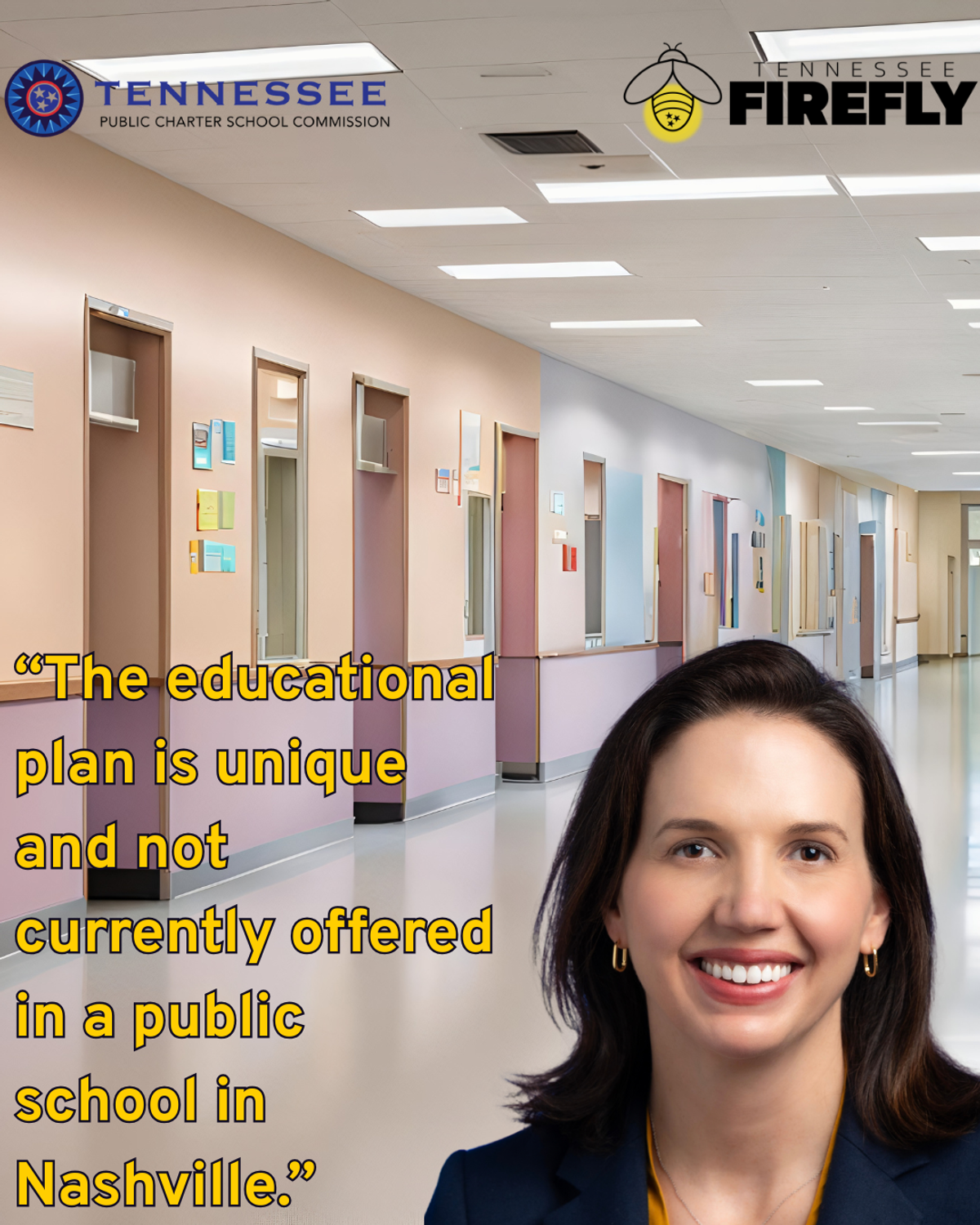
“The educational plan is unique and not currently offered in a public school in Nashville,” Stovall said of The Gate School.
The Quality Charter Review, an expert review of proposed charter applications by Tennesseans for Student Success, separately recommended approval for both Music City Academy and The Gate School.
Stovall rejected the argument at the center of MNPS’s denials: that opening the schools would create a substantial negative fiscal impact. MNPS estimated Music City Academy would shift about $1.67 million in per-pupil funding during its first year, while The Gate School would shift about $1.87 million. Stovall found MNPS had not shown that those amounts would create the kind of substantial districtwide impact required by law, particularly when compared with the district’s overall budget and previous enrollment fluctuations.
The fiscal impact disagreement was front and center during Music City Academy’s September public hearing before the Commission and The Gate School’s hearing the following day. MNPS leaders argued that even relatively small enrollment losses leave existing schools with fixed expenses they cannot quickly eliminate.
“It is a pie, not a well,” MNPS Deputy Superintendent Dr. Mason Bellamy told commissioners.
“Fiscal impact becomes student impact,” MNPS Board Member Dr. Berthena Nabaa-McKinney said during The Gate School’s hearing while defending the district’s denial.
The Executive Director’s report concluded that the opening of both Music City Academy and The Gate School would not significantly harm district finances after review.
Ramifications for MNPS
Friday’s votes could affect future Nashville charter operators beyond these applicants. Tennessee law allows proposed charter operators to apply directly to the Charter Commission when the state has overturned three of the same district’s charter denials within three consecutive years. The direct option remains available for five years after the third reversal. The pathway is permissive, meaning an applicant chooses whether to apply initially to MNPS or the Commission.
MNPS received its first applicable reversal when the Commission authorized The Rock Academy last year. If commissioners follow Stovall’s recommendations on Friday, Music City Academy and The Gate School would make the second and third reversals in two years.
Commissioners will make the final decision on Friday, Oct. 9. Should the TPCSC follow Stovall’s recommendations, it would put both schools on track toward their planned fall 2027 openings while also giving future Nashville applicants a choice they have never had before: to start their authorization process with MNPS or take their proposal directly to the state.