
The University of Tennessee, Knoxville, is part of a team that has won up to $160 million from the National Science Foundation (NSF) for the BRIDGES Engine, a collective initiative designed to generate millions of dollars in additional annual income for Tennessee farmers and create thousands of jobs across rural areas.
The project’s collaboration is led by the University of Tennessee, the Hudson Alpha Institute for Biotechnology, Auburn University, AGgrow Tech LLC, and UT partner Volkswagen Group of America. It’s one of 12 winning proposals selected from more than 70 in NSF’s Regional Innovation Engines competition, which showcases collaborative research development and launches technological opportunities for underserved regions.
UTK Professor David Harper assists with BRIDGES’ materials, developments, automotive tests, and, specifically, with Volkswagen and the engine’s other partners. Harper said this has been an ongoing project for over four years, with research first beginning in 2022.
“The goal of these regional engines and the regional engine program is really on taking more mature science and developments and translating that to the marketplace to have economic impact,” Harper said.
BRIDGES will work to transform underused farmland into domains for bio-based innovation. This is done by growing specially developed, long-lasting grasses and then turning them into high-demand automotive, construction, and packaging products for farmers.
“Part of what we're doing and part of the engine program is to bring in investments into the region, and especially into these rural areas,” Harper said. “So that we can sustain communities — it's all about supporting communities and rural jobs as well.”
Removing Risk for Farmers
According to Harper, Tennessee loses around 200 acres of farmland a day, leading to extreme landscape changes for farmers and their land. Harper said one of the goals is to “keep agricultural land as agricultural land.”
Harper also said over 90 percent of the farms in Tennessee and Alabama are family-owned. To make farming a primary source of income, farmers must have profitable, high-quality land.
This is where the BRIDGES Engine comes into play.
The collaboration will help create new revenue streams through crop development and improvement, so that lands are drought- and disease-resistant, allowing for minimal input on the farmers' end. Harper said this way BRIDGES alleviates and “de-risks” these rural areas that farmers can now utilize.
With farmers' consent, companies can then convert these crops into efficient bioproducts for them. For example, with these contracts, Miscanthus, a type of silver grass, and switchgrass can be converted into molded fiber packaging, which is then a usable product for farmers.
Harper said the engine also provides economic opportunities and training to further support rural jobs. He said that establishing knowledge of the BRIDGES operation further supports farmer growth.
“If the workforce doesn't exist in the area, then that's part of our job, and what we're trying to do is develop that workforce,” Harper said.
Community Impact
The BRIDGES Engine also focuses on other important areas, such as student involvement and reducing environmental impact.
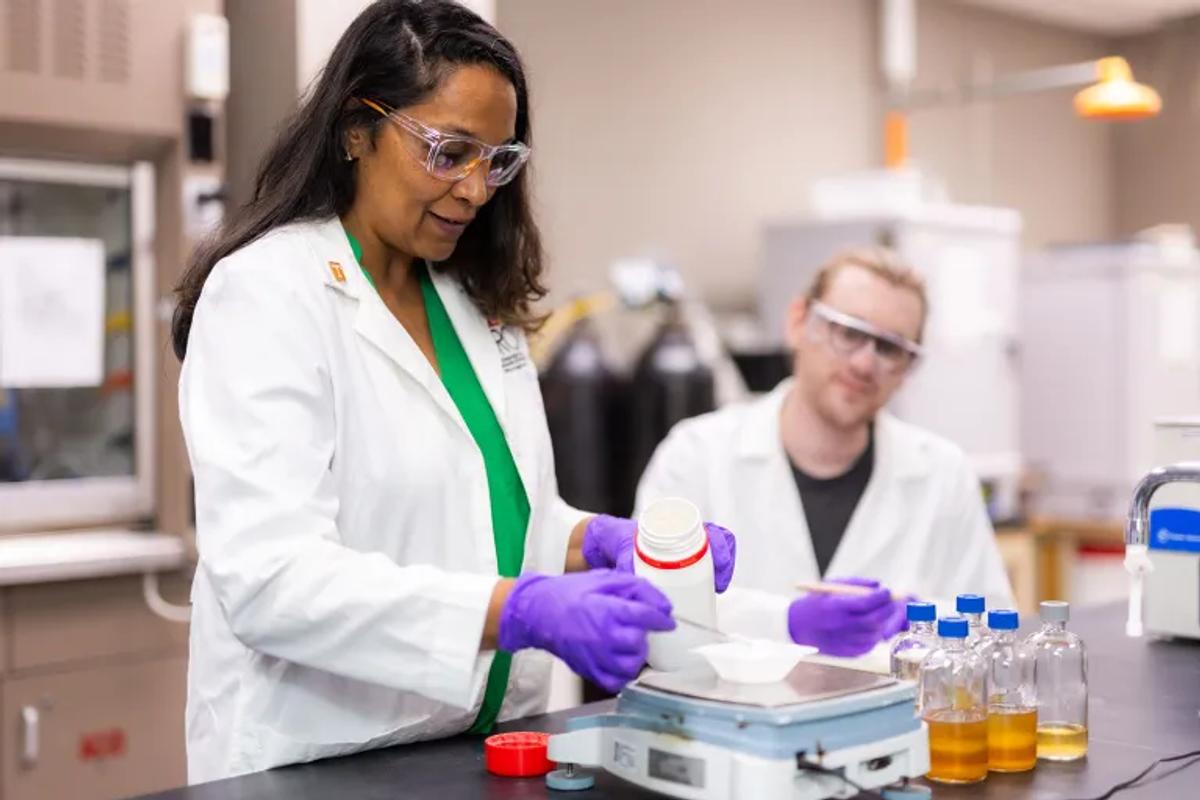
Harper said students have been hired to do some of the work, and their curricula have been tailored to further develop expertise around BRIDGES’ research. Harper said student involvement would be a combination of undergraduates, graduate students, and maybe even community colleges to continue that education.
“If we're going to support this market and this economy, then we need to have a trained workforce that’s educated and knowledgeable in this area,” Harper said.
By providing farmers with these new opportunities, Harper said the BRIDGES Engine aims to make a difference through a holistic lens. They focus on sourcing their materials, where they come from, how they obtain them, and what that looks like to make sure the BRIDGES Engine makes a “positive impact, not a negative impact.”
“I want to see the materials and the research that we do in the lab,” Harper said. “I want to see it translated to communities and actually making a difference in people's lives. And that's what this is about.”