
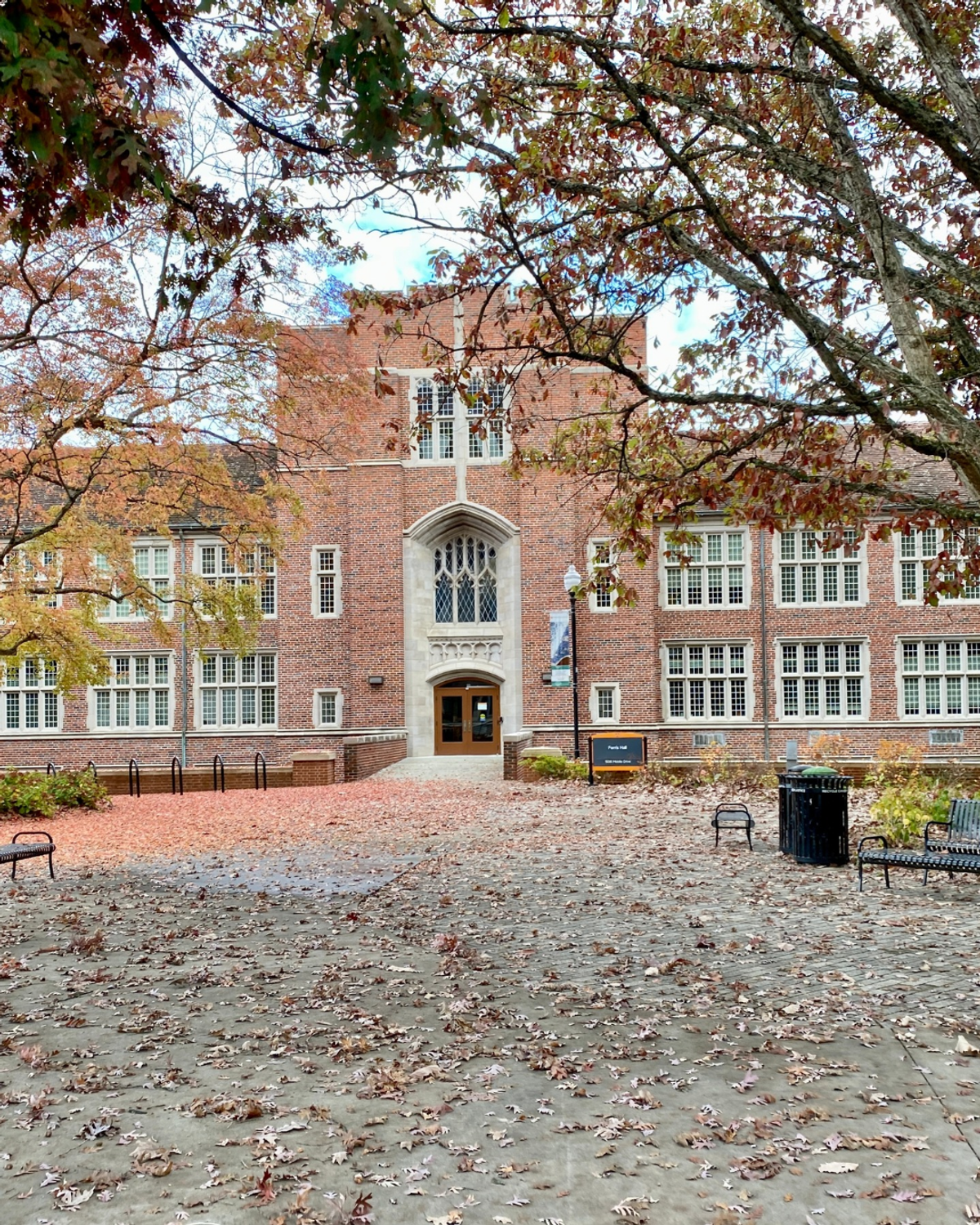
University of Tennessee, Knoxville graduates from the undergraduate programs included in a new federal earnings analysis made enough money to clear a benchmark that will help determine whether college students stay eligible for federal student loans.
For UT students, the current data offers some reassurance. Knox News reported on an analysis that covered 60 UT degree programs using U.S. Department of Education earnings data. The new federal standard compares what graduates earn several years after finishing a program with what workers who stopped their education earlier typically earn. For undergraduate programs in Tennessee, the analysis used $32,989 per year as the benchmark.
Clearing the Benchmark
Fine and studio arts came closest to the elimination line among the included programs. Graduates in that field had median earnings of $34,609 four years after completing their degree, about $1,600 above the Tennessee benchmark. Drama and theater arts graduates earned $41,414, while many programs in engineering, health care, business, and other fields were well above the cutoff.
However, the results do not mean every graduate earns those amounts, as federal earnings are reported as program-level medians for graduates who received federal aid, were currently employed, and were not enrolled in school during the measurement period. Smaller programs may also be left out when not enough graduates exist to report earnings without raising privacy worries.
How the New Federal Test Works
The U.S. Department of Education finalized the new earnings accountability rule this summer. Undergraduate programs must show that their graduates earn more than typical workers ages 25 to 34 who have only a high school diploma. Graduate programs face a similar comparison with workers who hold only a bachelor's degree. The revised system is scheduled to replace the current accountability rules on July 1, 2027.
A program that fails once must warn students that it could lose loan eligibility if its results do not improve. A program that falls below the earnings standard in two out of three years can lose access to the federal Direct Loan Program for at least two years. This matters because many students depend on federal loans to pay tuition and other college costs.
Focusing on Workforce Outcomes
The rule is designed to ask whether completing a program or major results in graduates earning more than people with a lower level of education, and it comes as Tennessee pays more attention to the connection between college programs and the jobs students enter after graduation. The Tennessee Higher Education Commission recently approved higher education funding changes that give institutions stronger incentives to graduate students from programs tied to good-paying, in-demand careers. The state uses earnings and projected job growth to help determine which programs qualify for additional workforce-related funding.
That approach also fits a national push to ensure college credentials lead to useful skills and clear career options. U.S. Education Secretary Linda McMahon and Vanderbilt University Chancellor Daniel Diermeier recently called for stronger workforce pathways, while also stressing that colleges should maintain strong academic standards. Tennessee public colleges have also seen enrollment rise again this fall, putting more students in programs that both academic and workforce outcomes will eventually judge.