
Students need more paths into good careers without lowering academic expectations, according to a higher education discussion on Wednesday at Vanderbilt University.
U.S. Education Secretary Linda McMahon joined Vanderbilt Chancellor Daniel Diermeier for a conversation about the future of colleges and universities. Much of the discussion focused on what higher education should provide students and how schools can prepare them for a changing economy. It also covered how colleges can maintain strong academic standards.
More Paths To Good Jobs
McMahon said four-year universities remain important, especially for careers such as medicine, law, and engineering. She said students should also see technical education and skilled trades as respected paths to successful careers.
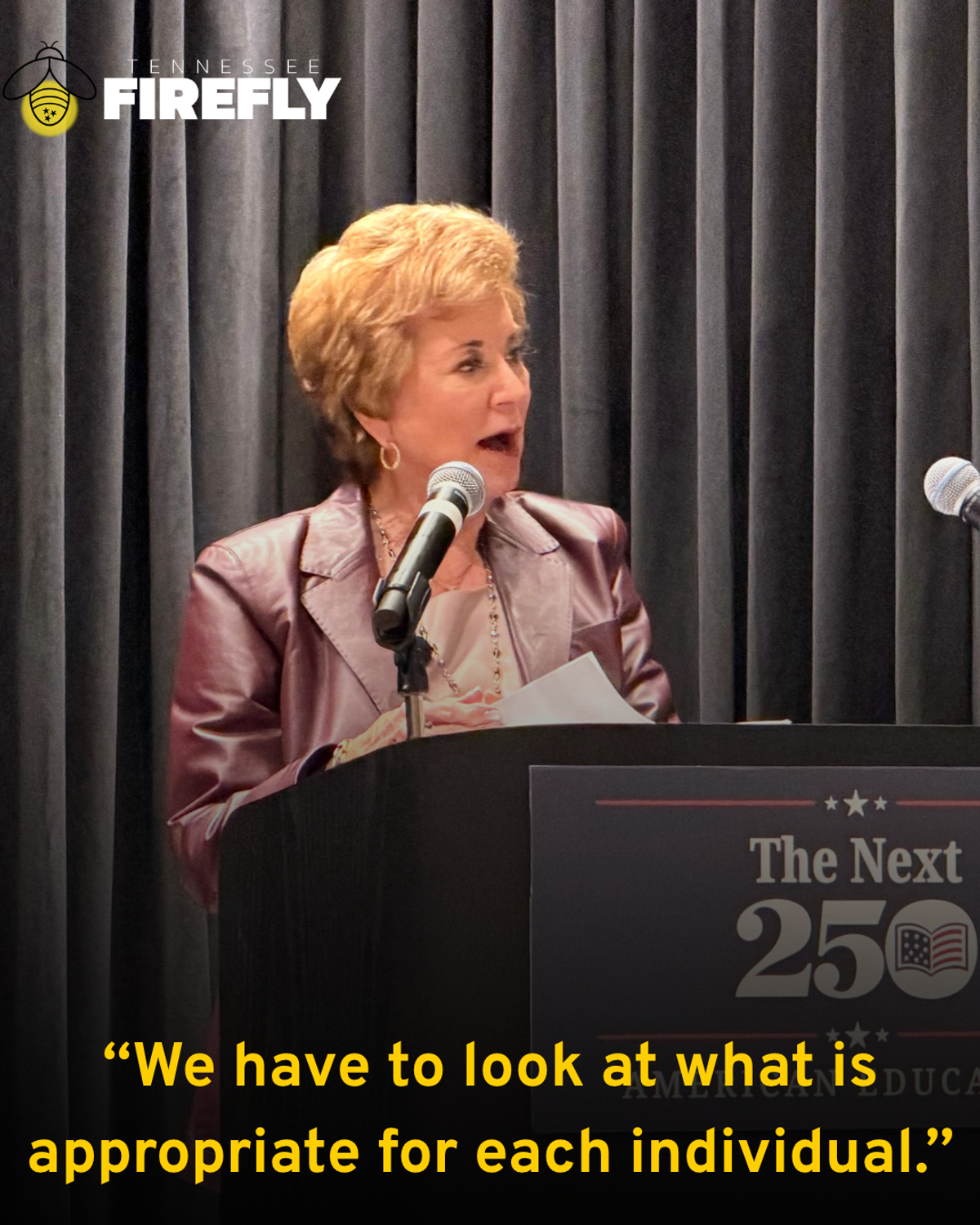
“I think we have to look at what is appropriate for each individual,” McMahon said. “Is it skilled workforce training and to have the pathways for that starting in middle school (or) high school, then into community college or college?”
She pointed to programs that let students earn college credit while still in high school and shorter training programs that can help students enter the workforce faster. That approach matches work already underway in Tennessee, where work-based learning and career and technical education have continued to grow and give more students career experience before graduation. Those programs can help students see several options after high school instead of treating a four-year degree as the only path to a good job.
Tennessee is also changing how it funds higher education. The Tennessee Higher Education Commission recently approved higher education funding changes designed to better reward colleges for graduating students into well-paying, in-demand careers. Diermeier said the workforce challenge goes beyond one type of job because the country needs skilled trades workers along with engineers, researchers, and other highly trained professionals.
“We have real problems with creating the skills and the educational preparation of many Americans in their specific lane to be successful,” Diermeier said.
Career Options Should Not Mean Lower Standards
McMahon also argued that expanding education pathways should not mean lowering academic expectations. She said colleges should expect students to meet challenging standards, earn their grades, and develop the knowledge and skills they need after graduation. Earlier in the discussion, she said academic rigor is directly connected to preparing students for life, work, and service to their communities.
Diermeier made a similar point about the purpose of universities, saying Vanderbilt focuses on education, research, and helping students learn how to think rather than what to think. That balance between access and expectations also matters as more Tennesseans enter higher education. Public college enrollment increased again this fall, including growth among first-time freshmen, putting more students on a path toward degrees.
At the same time, state education leaders have been pushing for stronger connections between college programs and the workforce. One recent policy proposal argued that higher education funding should more directly reward programs that lead students to high-wage jobs. McMahon said students should have several strong options, whether that means a university degree, a community college credential, or skilled workforce training. Wednesday’s discussion pointed to the same expectation for each path: students should leave education with useful skills, strong preparation, and a clear opportunity to succeed.