
On Friday, leaders of a proposed all-boys public charter school in Nashville went before the Tennessee Public Charter School Commission to appeal their denial. They spent much of the hearing questioning the integrity of Metro Nashville Public Schools (MNPS) reviewers and said little in defense of the application itself.
In July, the MNPS Board of Education voted 9-0 to deny Empowerment Academy Nashville's amended application. The proposed school would serve 50 boys in kindergarten through fifth grade and focus on agriculture and STEM. It is one of three campuses the organization wants to open in August 2027. Its Memphis and Chattanooga proposals were also denied by their local districts and are now on appeal to the state Commission.
A Combative Response
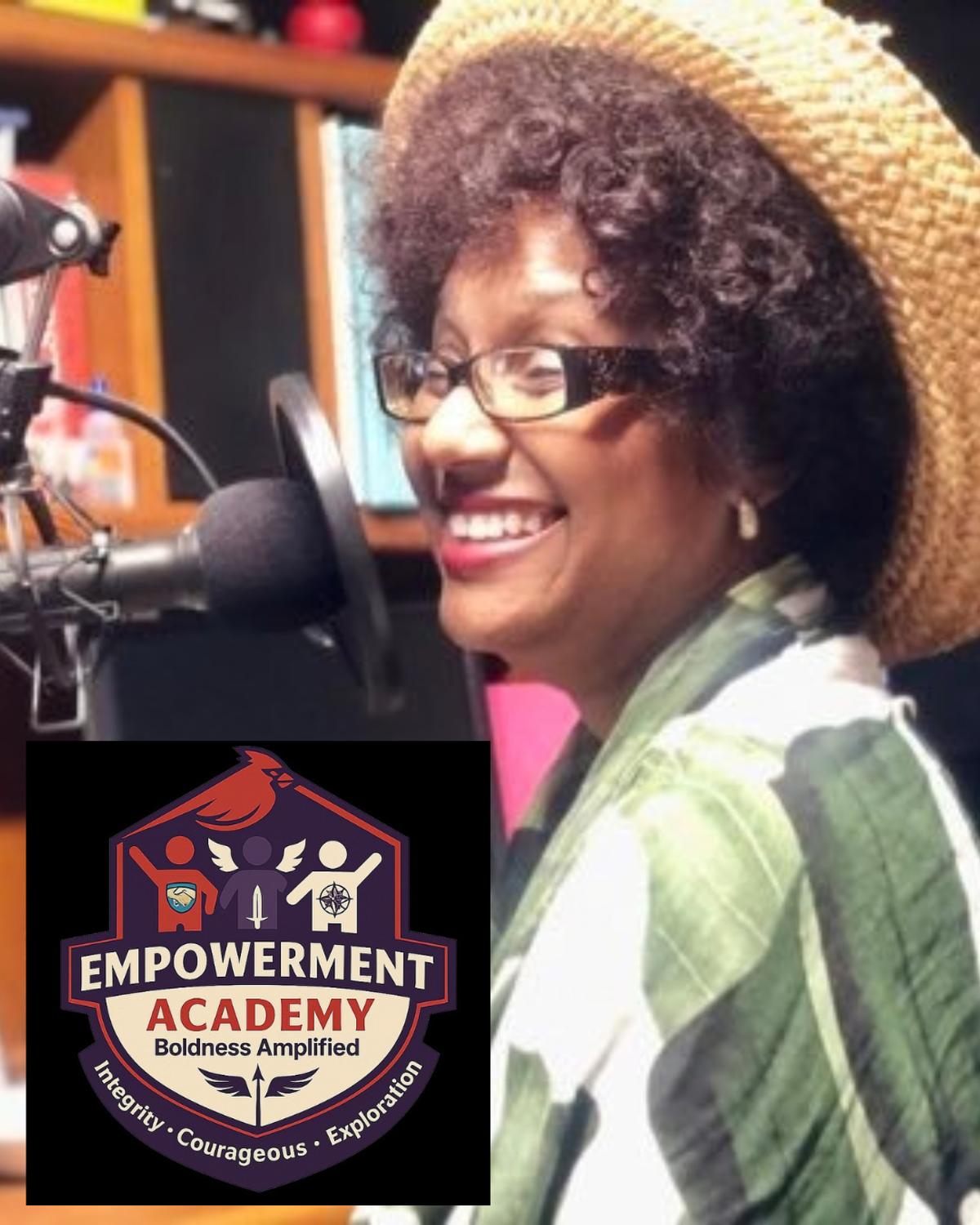
Empowerment Academy Board President Natisha Brooks did not rebut the reviewers' findings point by point. Instead, she challenged the process. She accused the district of never intending to approve any charter school, asked where the organization's $2,500 application fee had gone, and said the organization was looking into its legal options. She demanded to know who had reviewed the application and when and where they had met. Repeatedly, she told district representatives, "You didn't read the application."
"I didn't come to be nice today," Brooks said.
She also went after reviewers' concerns about staffing. "You said we don't have the personnel. Yes, we do. We have the teachers. We have the staff. And I'll challenge my resume against yours any day of the week," she said.
Brooks warned that the district would lose students, whatever the outcome. "We asked for 50 kids. But it don't matter. Come October, I'm getting 400 of your kids," she said.
Shereka Roby-Grant, MNPS Executive Director for Charter Schools, responded that every reviewer is trained and attends the capacity interview with the applicant. She said reviewers introduced themselves at that interview and that their positions are listed in the executive report. Deputy Superintendent Dr. Mason Bellamy said the applicant seemed to believe the district should have written the application for them.
Brooks did make a case for urgency. "No one has spoken about the children. In our zip code we're talking about, 21 percent of children are reading on grade level," she said. "There wouldn't be a charter school applicant if you did your job."
An Application That Fell Short
District reviewers rated the amended application as only partially meeting standards in every section: Education Program and Design and Capacity, Budget and Finance, and Operations.
Tennesseans for Student Success's Quality Charter Review, an independent analysis of new charter applications across the state, also found that the application did not meet the standards required for approval.
Commission Executive Director Tess Stovall noted that the organization plans to open three schools at once, and asked MNPS to explain which weaknesses were specific to this application. In response, district representatives listed underdeveloped plans, limited staffing capacity, little evidence of community demand, no charter school experience, and references to other districts that appeared in the application erroneously.
Stovall then asked what the district was missing within the budget. The district pointed to facility costs such as renovation, accessibility, safety, and space for specialized programs, along with staff for the pre-opening planning year, known as Year 0. When asked what reviewers in the pre-opening year, so no state funding comes in. The application named no other source to cover Year 0 costs and mistakenly cited state funding tied to enrollment. The district also stated the budget projected year-over-year deficits with no revenue to offset them.
Questions About Capacity and Cost
Stovall asked how the organization could open three schools at once. Leaders pointed to support from the AME Church's statewide network. They said the church would provide facilities at no cost and cover utilities and maintenance, so those costs do not appear in the budget. Volunteer attorney Myles Brooks confirmed that the school would not teach a religious curriculum.
To cover pre-opening costs, leaders said each board member except the parent member is contractually required to donate $50,000. They said central office staff has agreed not to be paid until the school is funded, and that the organization has raised $168,000 so far. "We will probably raise $2 million in the first week after approval," Natisha Brooks said.
As they did in Chattanooga, school leaders said they will open no matter what the Commission decides. "If the Commission comes back and denies our application, we are going to open," a school representative said.
Little Community Support
Public comment showed a clear gap between Empowerment Academy and the other MNPS appeals. Only two community members attended the hearing in support of Empowerment and spoke during public comment, and neither said they would enroll a child.
Natisha Brooks told the Commission that the organization had gone door to door and that students had already enrolled. No parents spoke at the hearing.
Next Steps
Commission Executive Director Tess Stovall will issue a written recommendation before the Commission votes at its quarterly meeting on Oct. 9. The Commission is also expected to decide the appeals for Empowerment Academy's Memphis and Chattanooga campuses during its quarterly meeting from Oct. 8-9. If approved, Empowerment Academy Nashville would open in the 2027-2028 school year.