
For two Tennessee public charter schools, approval to open was not enough.
The Rock Academy and the planned Rutherford County campus for Rocketship Public Schools have delayed their openings despite the Tennessee Public Charter School Commission (TPCSC) approving their applications to open in Middle Tennessee for the 2026-2027 school year. Both are now scheduled to open in the fall of 2027 because neither school has found suitable buildings, and without them, students have nowhere to learn.
Buildings and Lenders: A Two-Part Challenge
Rocketship Tennessee Executive Director Dr. Eric Dailey told TPCSC members during its Oct. 8 workshop that his organization ran into two major challenges while expanding into Rutherford County. The first was finding an appropriate building. Building a school from the ground up has gradually become more expensive, leaving public charter schools searching for existing properties they can renovate to fit their academic models. The second challenge comes after a property is identified: finding lenders to back a multimillion-dollar school project without years of financial history.
The problem is growing more urgent as Tennessee continues adding new charter options. The Commission recently approved Music City Academy and The Gate School after overturning their MNPS denials, which will also open a new direct-application pathway for future Nashville charter applicants. But The Rock Academy and Rocketship show that winning authorization does not answer one of the most practical questions facing a new school: where will it operate?
Dailey said the experience taught Rocketship to begin its facility work much earlier and create backup plans.
“As an operator, you prepare for the worst at times, particularly as you're standing up something new,” Dailey said.
How Enrollment Shapes Facilities
Finding space is only part of the financial problem. Charter facility consultant Jana Lavin told commissioners that lenders also need confidence that a school will enroll enough students to support the debt it takes on, meaning that new schools can no longer assume a certain share of students in a neighborhood will automatically enroll. Lavin said schools need stronger evidence behind enrollment projections and budgets that account for multiple scenarios, especially as operators nationwide see some interested families ultimately choose not to enroll.
Tennessee is beginning to build more financial support around that problem. The Tennessee Charter School Center recently launched the Volunteer Facilities Fund, which combines a $5 million state investment with $10 million in philanthropic funding and separates assistance for early-stage schools from longer-term financing for established operators. But even with that help, the need remains large. A Charter School Center survey found participating Tennessee schools anticipate more than $72 million in facility costs during the next five years.
TPCSC Vice President of External Affairs Emily Lilley said financing alone will not solve the problem. New operators also need clearer information about what kind of building they need, where facilities might be available, and who can help them navigate real estate, construction, and financing.
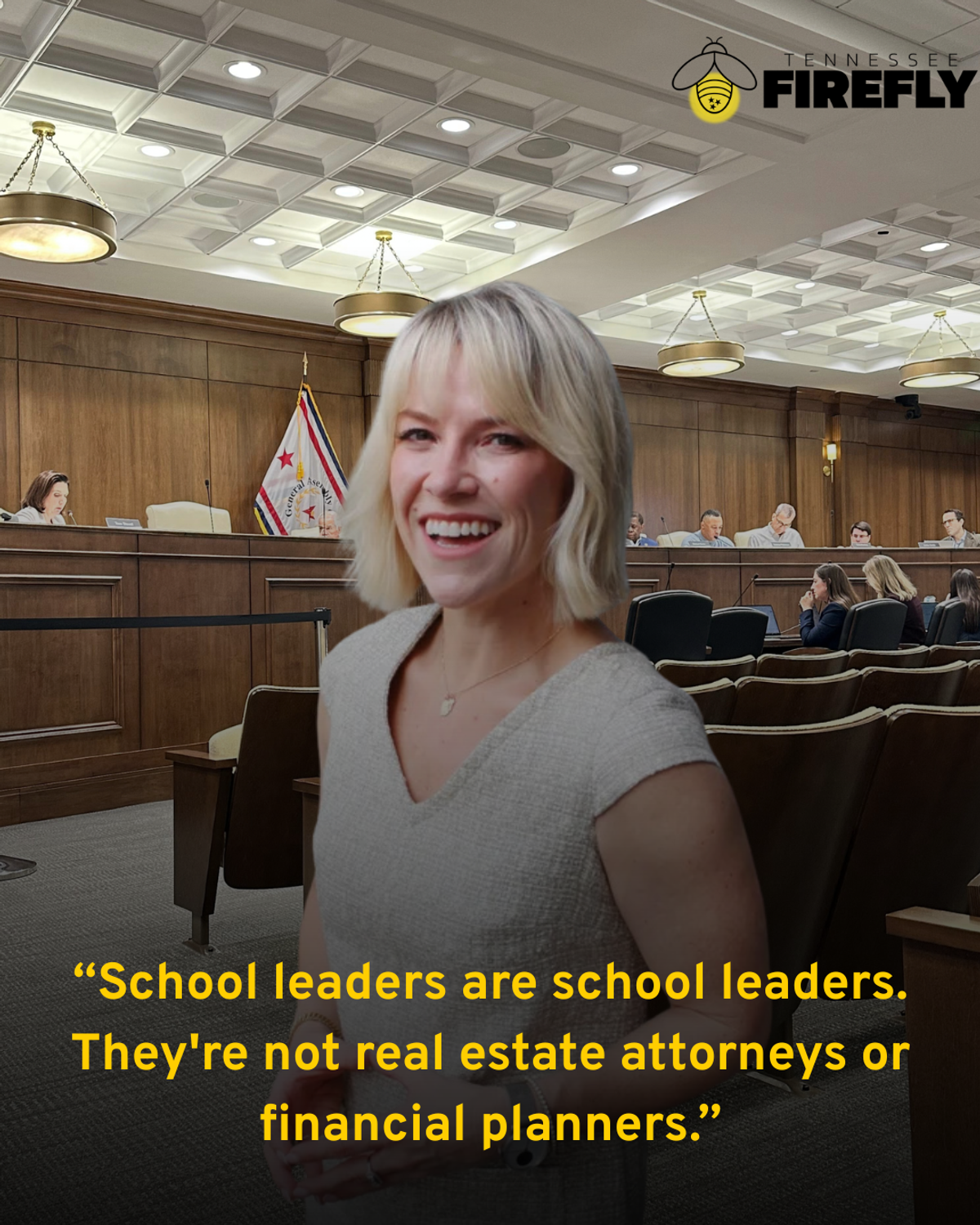
“School leaders are school leaders,” Lilley said. “They're not real estate attorneys or financial planners. (There are) so many things that you don't even know what questions to ask.”
Commissioners and panelists discussed several possible next steps, including shared tools to help schools estimate enrollment, more centralized technical assistance, credit enhancements that make new schools less risky to lenders, more flexible zoning rules and efforts to identify underused buildings that could become schools. The larger question is whether Tennessee can build a facilities system that keeps school leaders focused on instruction instead of turning every new charter operator into a real estate developer and financing expert.
Commission member Tom Marino suggested the scale of the problem may eventually require something broader than another individual program.
“We're nibbling around the edges here,” Marino said. “They need to be in classrooms teaching kids, and we're trying to solve for this.”