
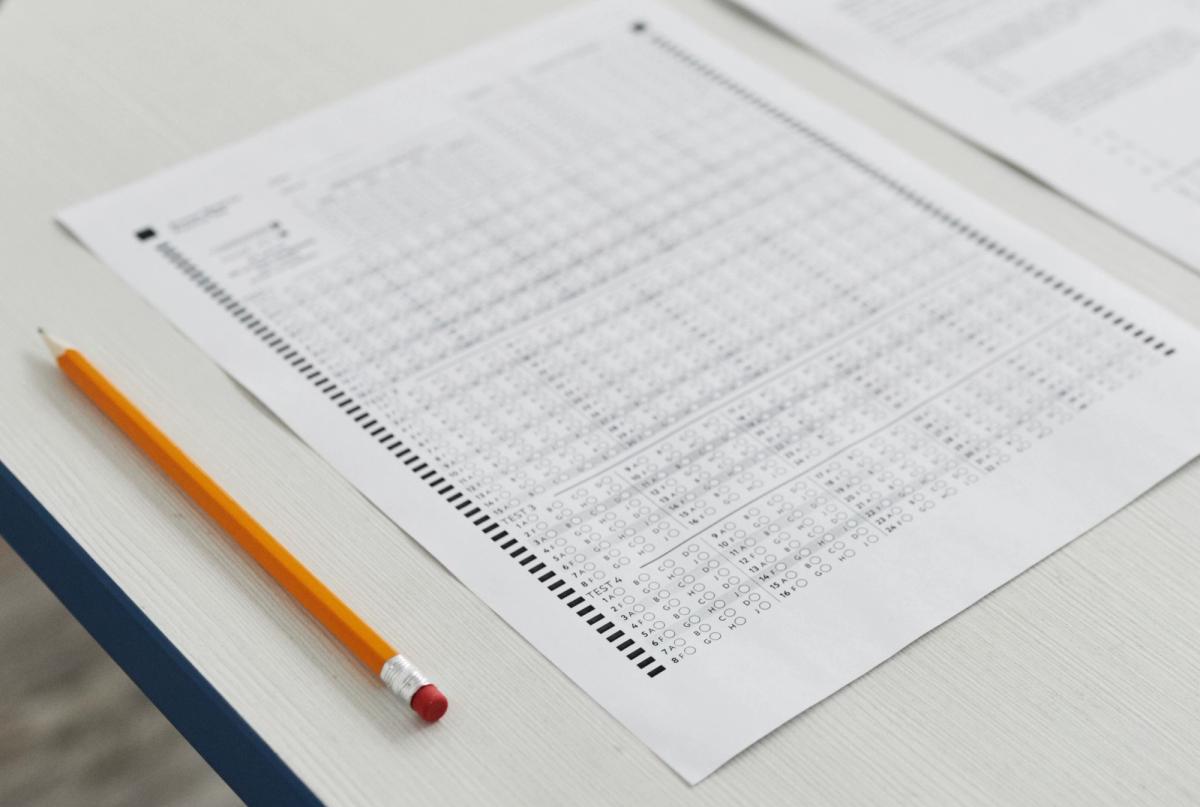
The Tennessee Charter School Center released an analysis of new state testing data on Tuesday, finding that charter students are outperforming their peers in key tested subjects.
According to the center’s research on the 2025-26 school-level TCAP results, 34 percent of charter students in Davidson County achieved proficiency in English language arts (ELA) and 37 percent in math, compared to 30 percent and 31 percent of their non-charter peers, respectively.
Relatedly, charter students in Shelby County also achieved proficiency in tested subjects at a slightly higher rate than non-charter students.
Strong Showing from Economically Disadvantaged Students
This year’s charter performance is especially notable with economically disadvantaged students.
The center says 24 percent of economically disadvantaged charter students in Davidson County achieved proficiency in ELA and 28 percent in math compared to 15 percent and 17 percent of non-charter students, respectively.
Similarly in Shelby County, 20 percent of economically disadvantaged charter students achieved proficiency in ELA and 21 percent in math compared to 19 percent and 17 percent for non-charter students. In Knox County, 29 percent of economically disadvantaged charter students achieved proficiency in ELA and math, compared with 21 percent and 19 percent of non-charter students, respectively.
“These results show what is possible when great leaders are given the flexibility and autonomy to meet the unique needs of their students and communities,” Charter Center CEO Elizabeth Fiveash said. “We celebrate the great work of our charter school leaders, teachers, and most importantly, students and look forward to continuing this momentum into this coming year.
Charter schools are free public schools operated by a nonprofit under a “charter” with a school district or the state. These schools are allowed the freedom and flexibility to be more innovative in their approach to educating children but are still held accountable for advancing student achievement.
Charters are open to all students but tend to serve a disproportionately high percentage of economically disadvantaged students. In 2024-2025, for example, 49 percent of charter students were economically disadvantaged compared to 28 percent of non-charter students.